
After just six weeks in the FDH Bank Premiership, almost half of the clubs have shaken their technical panels, firing, suspending and issuing targets.
A shake up has been witnessed at FCB Nyasa Big Bullets, Goshen Dedza Dynamos, Creck Sporting Club, Kamuzu Barracks and Ekhaya FC. They have seen enough of it hence ring changes already.
However, despite those changes, no team has achieved a maximum goal thereby other clubs recalling those they had suspended while closely monitoring the situation. Our reporter Andrew Mdzumira is analysing what has been happening in these five clubs.
Ekhaya FC: Early intervention, immediate response
Ekhaya FC set the tone for the season’s coaching volatility when head coach Enos Chatama was placed on leave in just the second week of the campaign.
The decision followed a 2-1 defeat to Blue Eagles and a 1-1 draw against Red Lions, results that yielded only one point from two matches.
Assistant coach Fundi Akidu stepped in and produced an immediate turnaround, collecting nine points from a possible 12 in four matches. After four games, Chatama has been recalled to work per a Wa Ganyu confirmation.
Kamuzu Barracks: A change without direction?
Kamuzu Barracks responded to a difficult start by suspending head coach Tione Mhone and assistant Joseph Chilapondwa just after one draw and two defeats in three opening matches.
Defeats to Silver Strikers and draws against Luanar Mitundu Baptist and Karonga United had already placed the technical panel under pressure.
Under interim coach Kenwood Nkhoma, results remained inconsistent with one win (3-1 over Creck Sporting Club) and two defeats, including a heavy 4-1 loss to Ekhaya FC and a 1-0 defeat to Goshen City Dedza Dynamos. The expected stabilisation has yet to fully materialise.
Dedza Dynamos: Targets issued
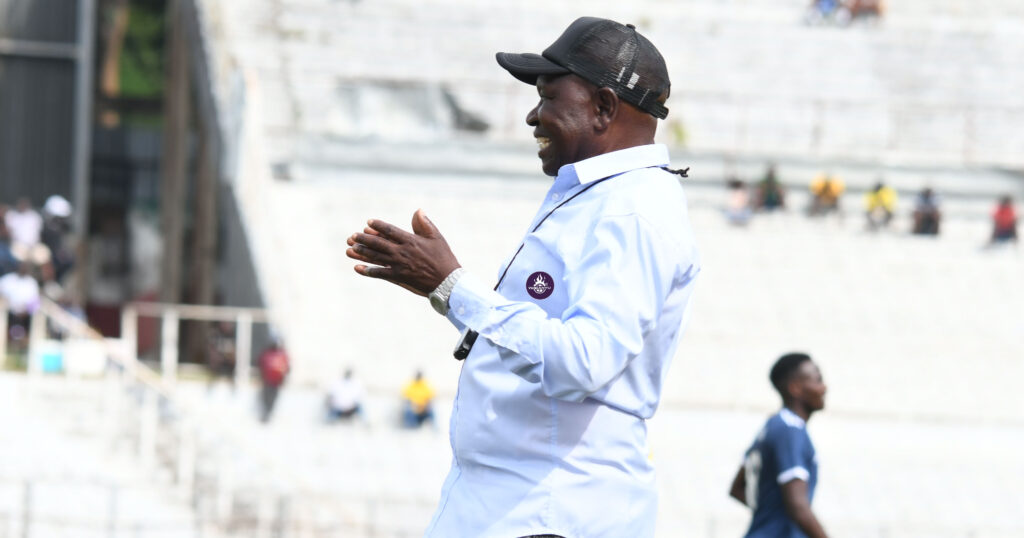
Goshen City Dedza Dynamos have taken a more measured approach, issuing a three-match performance target to head coach Alex Ngwira and his technical panel rather than immediate suspension.
The return, however, has been modest; one win from three matches, yielding just three points from a possible nine. The situation underscores a growing trend of conditional coaching survival based on short evaluation windows.
Creck Sporting Club: No miracle for the Apostle Kawinga side
Creck Sporting Club remain the only team yet to register a league victory this season, with two draws from six matches highlighting their struggles.
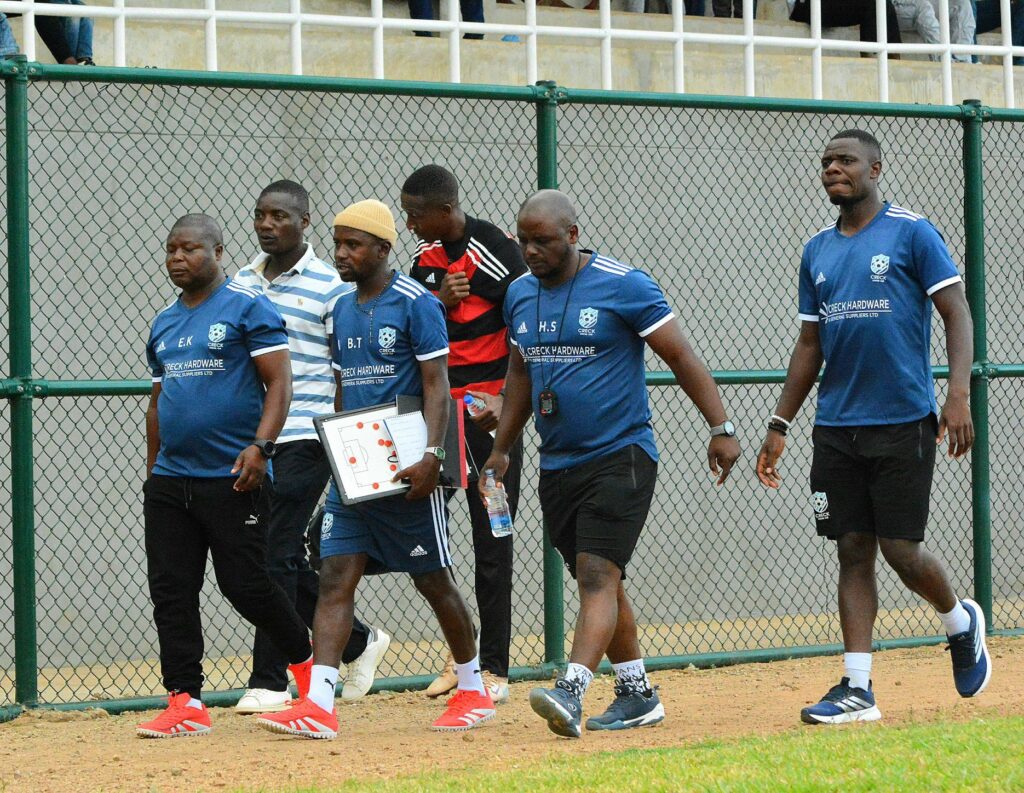
The club has also experienced repeated technical disruptions involving head coach Eliya Kananji and assistant Harry Saidi, with suspensions and recalls reflecting an unsettled internal structure rather than a clear recovery plan.
On May 17, Kananji and his assistant were suspended after a 3-1 defeat to Kamuzu Barracks. Then the team was coming from two draws—a goalless draw away to Mafco FC and a 1-1 away to Red Lions.
Creck had roped in physical trainer Blessings Tembo to take charge during their next away fixture to Moyale Barracks where they recorded a 1-0 defeat forcing officials to recall Kananji and his assistant.
But it was another defeat at home against Blue Eagles where the team lost 2-0. Officials couldn’t do otherwise but to suspend Kananji again together with his assistant and Tembo on June 2 while inviting Chisomo Nkhoma, a female coach as their interim coach.
FCB Nyasa Big Bullets: Yet unbeaten but not stable
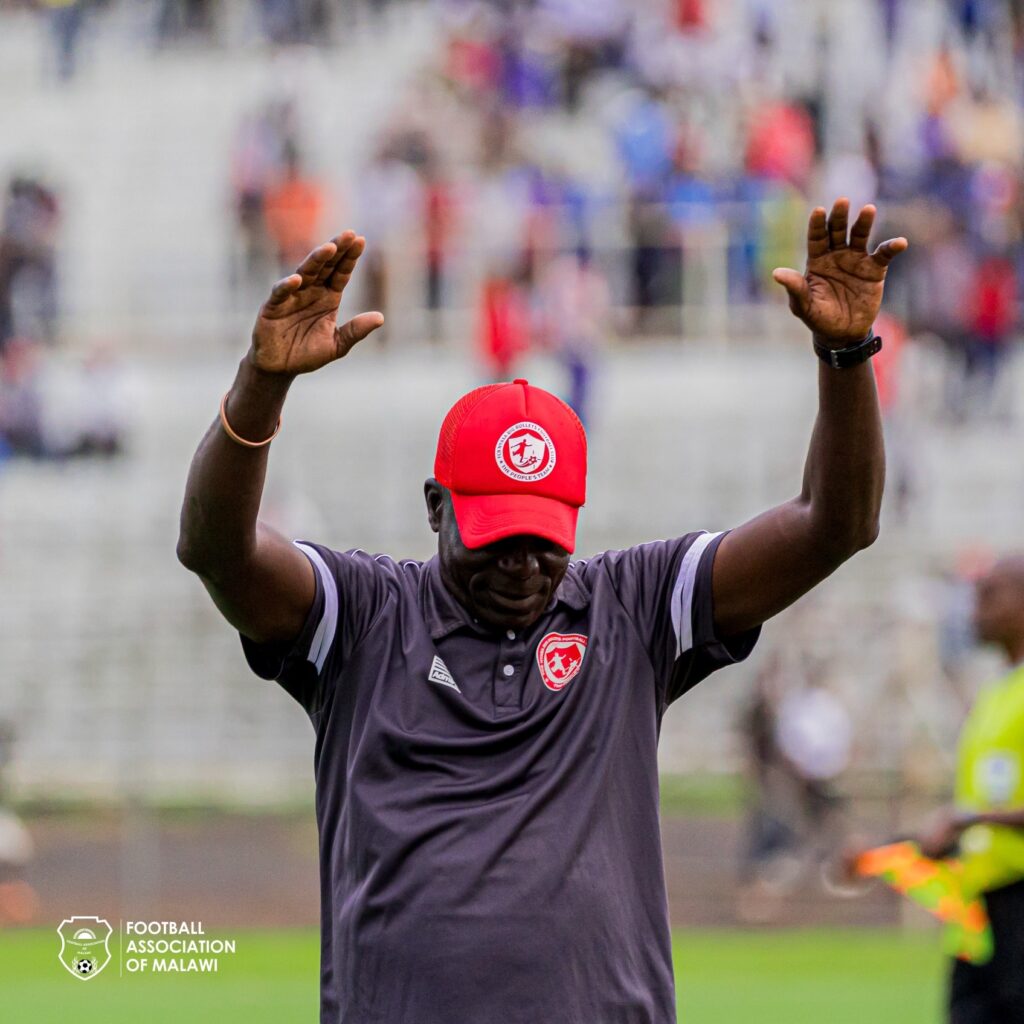
Perhaps the most debated decision of the early season came from FCB Nyasa Big Bullets, who suspended head coach Gilbert Chirwa despite remaining unbeaten in league action.
Chirwa’s record stood at two wins and four draws, including a Blantyre derby victory and another over Mafco plus draws against Moyale Barracks, Civil Service United, Blue Eagles and Red Lions.
His suspension raised questions beyond results alone, particularly around performance expectations versus unbeaten consistency.
Interim coach Heston Munthali, previously in charge of the reserve side, had since taken over and only managed a 1-1 draw against Moyale Barracks maintaining Bullets’ unbeaten but increasingly questioned trajectory.
Have the changes delivered positive results?
Despite the frequency of coaching changes, early—season data across affected clubs shows no consistent pattern of transformation.
Ekhaya FC: 9 points from 12 under interim management
Kamuzu Barracks: 3 points from a possible 9
Dedza Dynamos: 3 points from a possible 9
Creck Sporting Club: Still winless as two suspensions are given to the technical panel
Bullets: unbeaten but dominated by draws
While isolated improvements exist, the broader picture suggests that coaching changes have not yet translated into sustained competitive advantage.
Early-season evidence suggests that changing the technical bench alone does not guarantee immediate or consistent improvement.
Views from Coaches Association of Malawi
Coaches Association of Malawi General Secretary Sullivan Kandulu says the body is encouraging coaches to seek guidance before signing contracts, particularly to understand terms governing dismissal and suspension.
“We now have a legal team assisting coaches with contract interpretation and guidance,” said Kandulu.
He noted the tight nature of the current season, where even small gaps separate teams near the top of the table.
“It becomes difficult for the association to intervene when coaches do not first seek advice before signing,” he added.
Analyst view:
Sports analyst George Chiusiwa has described the current trend as a sign of declining patience among clubs, arguing that coaches are being judged too early in their tenure.
He cited early interventions at Ekhaya FC, Creck Sporting Club and Dedza Dynamos as evidence of an increasingly reactive environment.
Chiusiwa also questioned whether clubs provide sufficient technical support structures comparable to more developed football systems.
“In some cases, coaches arrive without the full technical environment they need to succeed. Yet they are still expected to deliver immediate results,” he observed.
He added that responsibility for performance should be shared more broadly between coaching staff and club structures.