

Frank Mojah Dzuwa
The story of the Airtel Top 8 first legs over the last three seasons has been one of sharp contrasts — from a goal-laden spectacle, through a frustrating drought, to signs of a revival.
The opening round of the 2026 Airtel Top 8 produced six goals across four quarter-final first-leg matches, suggesting that the competition may be rediscovering its attacking edge after a sluggish campaign a year earlier.
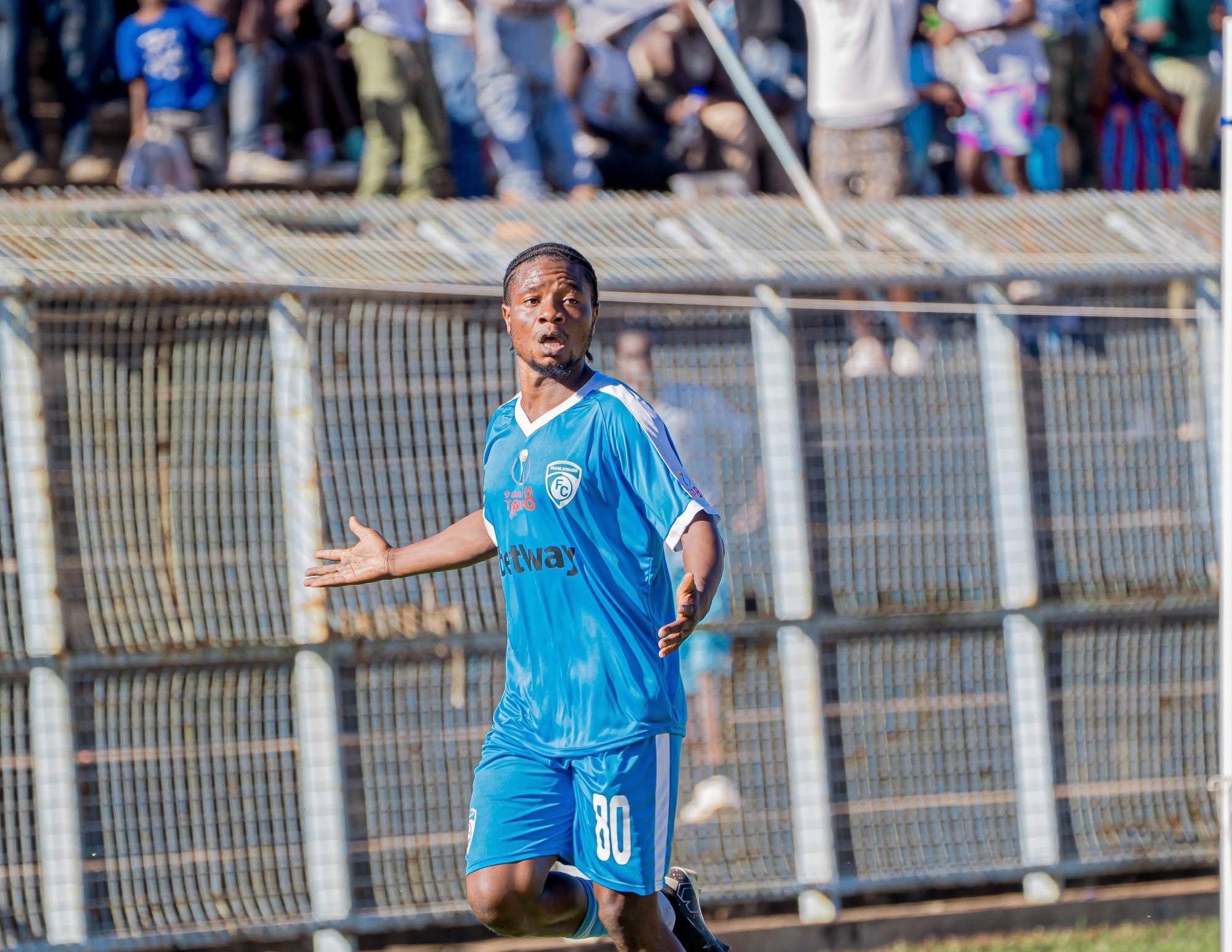
The latest edition began with FCB Nyasa Big Bullets and Ekhaya FC sharing a 1-1 draw before Blue Eagles and Civil Service United played out a goalless stalemate. Silver Strikers then defeated Karonga United 2-0 through a Charles Chipala brace, while Mighty Wanderers matched that scoreline with a 2-0 victory over Creck Sporting Club.
Those six goals marked a significant improvement from the previous season, when only two goals were scored in the first legs.
In 2025, teams struggled to break down their opponents as caution dominated proceedings. Bullets and tournament debutantes Creck settled for a 0-0 draw, Mzuzu City Hammers and Civil Service United also failed to produce a goal, while Silver Strikers and Wanderers each managed narrow 1-0 victories over Moyale Barracks and Karonga United respectively.
The result was the lowest-scoring start in the history of the competition’s opening round, with only two goals scored across four matches.
The picture had been very different a year earlier.
In 2024, supporters were treated to an explosive start as the first-leg fixtures yielded ten goals. Defending champions Bullets hammered Civil Service United 2-0, Silver Strikers thrashed Dedza Dynamos 4-1, Wanderers edged Bangwe All Stars 1-0, while Chitipa United secured a 2-0 victory over Kamuzu Barracks.
Silver Strikers were particularly ruthless, accounting for four of the ten goals scored during that stage.
A comparison of the three seasons reveals how the attacking trends have fluctuated. The tournament moved from an average of 2.5 goals per game in 2024 to just 0.5 goals per match in 2025 before recovering to 1.5 goals per game in 2026.
While this year’s figures still fall short of the free-scoring standards set in 2024, they represent a clear improvement from the cautious approach witnessed last season.
Commenting on the trend, local football analyst Parry Chinyama said the fluctuating numbers highlight the need for clubs to pay more attention to developing and identifying reliable goalscorers.
“The challenge of scoring goals is affecting us as a country, even at National Team level, but I believe this season we will witness something new,” he said.
However, he expressed optimism that the current campaign could produce a different story, particularly with several clubs having appointed new coaches who may introduce fresh ideas and improve their attacking output.
Whether the second legs continue this upward trend remains to be seen. But after falling from ten goals to two, the rise to six suggests that the Airtel Top 8 may once again be finding the balance between tactical discipline and attacking entertainment.